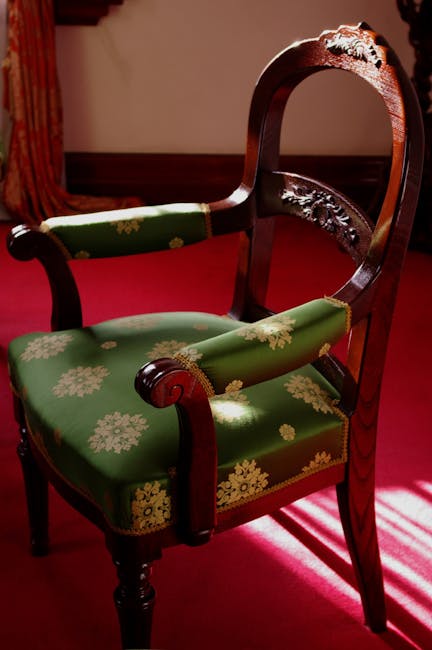
Streatham Hill upholstery cleaning guide for Victorian houses
Victorian houses in Streatham Hill have a certain charm: tall skirting boards, sash windows, deep coving, and rooms that seem to hold a bit of history in the air. They also tend to hold onto dust, soot, cooking smells, and everyday wear in soft furnishings. That is why a Streatham Hill upholstery cleaning guide for Victorian houses is more than a nice-to-have. It helps you clean smarter, protect older fabrics, and avoid the kind of damage that can happen when modern cleaning methods are used too bluntly on period interiors.
If you live in one of these homes, you will already know the reality. A sofa that looks fine in daylight can reveal dull patches at 5pm. A favourite armchair may smell faintly musty after a damp spell. Or you may simply want to keep treasured pieces looking good without making them look over-cleaned, which, to be fair, can happen. This guide walks you through what matters, what to avoid, and how to get cleaner upholstery without upsetting the character of the house.
Table of Contents
- Why this matters in Victorian houses
- How upholstery cleaning works
- Key benefits and practical advantages
- Who needs this and when it makes sense
- Step-by-step guidance
- Expert tips for better results
- Common mistakes to avoid
- Tools, resources and recommendations
- Law, compliance, standards and best practice
- Options, methods and comparison table
- Case study or real-world example
- Practical checklist
- Conclusion
- Frequently asked questions
Why Streatham Hill upholstery cleaning guide for Victorian houses Matters
Victorian homes are not just older versions of modern properties. They often have different ventilation patterns, thicker plaster, layered decorations, and rooms that have been adapted over time. That matters because upholstery in these homes can age differently. Dust settles in heavier quantities, daylight can fade fabrics unevenly, and lingering moisture can make fibres feel stale even when they are not visibly dirty.
In Streatham Hill, there is also the day-to-day London factor: busy roads, changing weather, and the simple fact that many households use their living rooms hard. A family sofa may be used for everything from work calls to weekend naps. A dining chair set might get passed around through years of birthdays and rainy coats. Cleaning, then, is not only about appearance. It is about hygiene, fabric life, and keeping rooms comfortable.
With Victorian interiors, there is a second layer too: preservation. Older furniture can be sturdy, yes, but the fabrics, linings, stuffing and trims may be more delicate than they look. A good upholstery cleaning service should respect that and treat each item according to the material, age and condition rather than using one generic approach for everything. That is really the heart of it.
Key takeaway: Victorian houses need upholstery cleaning that balances deep cleaning with caution. The goal is freshness without over-wetting, harsh scrubbing, or colour loss.
How Streatham Hill upholstery cleaning guide for Victorian houses Works
Good upholstery cleaning is part inspection, part chemistry, and part restraint. You begin by identifying the fabric type and the condition of the piece. That sounds obvious, but it is where a lot of trouble starts. Cotton blends, velvet, linen, wool, synthetic fibres, leather, and antique fabrics all behave differently when exposed to moisture or detergents.
The process usually follows a few clear stages:
- Assessment: Check the fabric label if there is one, look for worn seams, loose piping, dye instability, and previous repairs.
- Dry soil removal: Vacuuming removes grit, crumbs, pet hair and dust from folds, buttons and crevices.
- Spot testing: A small hidden area is tested before any wet product is applied.
- Targeted pre-treatment: Stains and traffic areas are treated with a suitable solution.
- Cleaning method: Low-moisture extraction, controlled steam, or specialist dry cleaning is used depending on the fabric.
- Drying and finishing: The item is aired, brushed, and checked for residue or tide marks.
The trick in Victorian houses is not to flood the fibre. Older properties can feel cooler, and rooms with less airflow may dry slower than you expect. A sofa can seem dry on the surface and still hold moisture inside the padding. That is where odour, wicking stains, or mildew can sneak in later. Nobody wants that. Nobody.
Professional upholstery work often sits alongside other home care needs too. If your soft furnishings are part of a broader seasonal reset, many homeowners also look at deep cleaning for the rest of the property, or pair fabric care with curtain cleaning to freshen the whole room at once.
Key Benefits and Practical Advantages
The obvious benefit is cleaner furniture. But there is more to it than a brighter sofa. In a Victorian house, upholstery cleaning can genuinely change how a room feels.
- Better indoor freshness: Soft furnishings trap odours from pets, food, smoke, and general living. Cleaning lifts that stale background smell.
- Improved appearance: Traffic lanes, dull patches and spot marks can make a room look tired even when the rest of the decor is fine.
- Longer fabric life: Dirt particles act a little like sandpaper. Removing them helps fibres last longer.
- More comfortable living spaces: Fresh upholstery simply feels nicer to use, especially in rooms that serve as family hubs.
- Better support for older furniture: A careful clean can help preserve the value and character of antique or period pieces.
There is also the practical side. If you are preparing for guests, renting out a room, moving in, or simply trying to keep on top of family life, upholstery cleaning can be one of the fastest ways to make a home feel more pulled together. A well-cleaned armchair can change a whole corner of a room. Oddly powerful, really.
For households trying to maintain a whole-property routine, it can make sense to combine upholstery work with regular cleaning or even a one-time reset such as one-off cleaning. The combination often works better than tackling everything in tiny pieces.
Who This Is For and When It Makes Sense
This guide is useful for almost anyone living in a Victorian house in Streatham Hill, but it is especially relevant if you recognise any of these situations:
- you have older sofas, armchairs or dining chairs that are showing wear
- there is a musty smell after damp weather or a long closed-up period
- you have pets, children, or both, and the furniture gets heavy daily use
- you are dealing with food or drink marks on a light-coloured fabric
- you have inherited antique or period furniture and want to keep it in good condition
- you are preparing a home for sale, letting, or family visitors
- you simply want the living room to look fresher without replacing perfectly good furniture
It also makes sense if you are already booking other cleaning work in the property. For example, after house cleaning or before a tenancy change, upholstery is often the last visible detail that lifts the room from "tidy" to "properly cared for". If a house has polished wood, old fireplaces and ornate features, tired upholstery can stand out more than it would in a newer flat.
Truth be told, Victorian houses can hide grime well until you clean one section and suddenly the old colour of the fabric appears. That is not a bad thing. It is just a reminder that furniture gets used, and then used again. Life happens.
Step-by-Step Guidance
If you want to approach upholstery cleaning sensibly in a Victorian home, follow a method rather than winging it. Winging it is how cushions get rings around them.
- Identify the material. Look for care labels or manufacturer notes. If there is no label, treat the piece cautiously and test first.
- Vacuum thoroughly. Use a soft brush attachment to remove dust from seams, buttons, and underneath cushions. This step matters more than people think.
- Check for weak points. Examine loose stitching, split piping, frayed edges, old repairs, and fading. Mark the risk areas mentally before any liquid goes near them.
- Test a hidden spot. Behind a cushion, at the back hem, or under a skirt is usually the safest place to test. Wait for full drying before judging the result.
- Treat stains carefully. Blot, do not rub. Use the mildest suitable product first. Aggressive rubbing can spread the mark or bruise the pile.
- Use the right cleaning method. Low-moisture cleaning is often best for delicate fabrics, while some synthetic upholstery can tolerate controlled extraction.
- Dry the item properly. Open windows where possible, keep air moving, and avoid using the furniture until fully dry. Damp padding is where trouble starts.
- Finish with grooming. Brush nap fabrics in one direction and reshape cushions so the furniture looks natural again.
If you are cleaning at home, a small handheld extractor can be useful, but only when used carefully. The problem is that people often overdo the solution, then overdo the rinse, and the fabric ends up wetter than a winter raincoat. Not ideal.
For heavily marked pieces, or where the whole room needs refreshing, you may want to pair upholstery care with sofa cleaning or pet stain odour removal if pets are part of the picture. Pet-related issues are very common in family homes, and smell can linger even when the stain itself is faint.
Expert Tips for Better Results
A few small habits make a big difference. These are the things that tend to separate a decent clean from a frustrating one.
- Work room by room, not fabric by fabric in a panic. If you are cleaning a whole Victorian lounge, sort the furniture first and decide which pieces need professional attention.
- Use light strokes and patience. Older textiles respond better to repeated gentle cleaning than one rough assault.
- Check humidity. On damp days, drying can take longer. Open windows when conditions allow, and do not trap moisture in a closed room.
- Protect wooden frames and trims. Many Victorian pieces have wood detailing that should not get soaked.
- Refresh before damage builds up. Regular maintenance is much easier than trying to rescue a tired, stained armchair after years of neglect.
One practical tip from real life: if a sofa sits near a radiator or bay window, the fabric may fade or dry unevenly. Move cushions around occasionally so wear is less patchy. It sounds tiny, but it helps. A lot.
If your home is part of a broader upkeep routine, useful supporting services can include rug cleaning for loose floor textiles and mattress cleaning for bedrooms. Keeping the whole house fresh tends to reduce how quickly upholstery picks up smells again.
Common Mistakes to Avoid
Most upholstery damage comes from haste, not bad intentions. People try to fix a small problem and create a bigger one. Happens all the time.
- Skipping the fabric test: Never assume a fabric can handle water or detergent just because it looks sturdy.
- Using too much liquid: Victorian homes often dry more slowly, so over-wetting can leave lingering smells or water marks.
- Scrubbing stains: This can flatten texture, spread colour, or push the mark deeper into the fibres.
- Ignoring drying time: Sitting on a damp sofa is the quickest way to cause re-soiling and pressure marks.
- Using the wrong product: Multi-surface sprays and strong domestic chemicals are not automatically safe for upholstery.
- Forgetting the filling: The outer fabric may look fine while the inner padding still holds moisture.
Also, be careful with "quick fixes" found in a cupboard. Bicarbonate and vinegar are popular for a reason, but they are not magic. On some fabrics they can help a little; on others they leave residue or create an uneven finish. The sensible route is always the boring route. Boring, but effective.
If a mark is stubborn or the item is valuable, a specialist stain approach is often safer than improvising. A dedicated stain removal service is worth considering when the issue goes beyond routine freshness.
Tools, Resources and Recommendations
You do not need a house full of gadgets to care for upholstery properly. In most Victorian homes, a small, sensible kit is enough.
| Tool or product | Best use | Practical note |
|---|---|---|
| Soft brush vacuum attachment | Routine dust and crumb removal | Ideal for seams, tufting and delicate fabric surfaces |
| Microfibre cloths | Blotting and light surface wiping | Use clean cloths only; don't smear old dirt around |
| White absorbent towels | Pressing out moisture after spot treatment | Safer than coloured cloths, which may transfer dye |
| Gentle fabric-safe cleaning solution | Light spot treatment | Always test first and follow the fabric care guidance |
| Portable extractor or dry-cleaning system | Deeper fabric refresh | Use carefully; more water is not better |
If you are in any doubt, a reputable local cleaner should be able to explain the method they plan to use and why. You should not have to guess. That applies to pricing too, which is why it helps to check pricing and quotes before booking. Clear expectations save everyone a headache.
For households wanting a more complete refresh, some people combine upholstery work with carpet cleaning or steam carpet cleaning. That combination can make the whole room feel less tired, especially in homes with fitted carpets and older furniture sitting close together.
Law, Compliance, Standards, or Best Practice
Upholstery cleaning in a domestic setting is not heavily regulated in the way some other services are, but there are still important best-practice expectations. In the UK, a responsible cleaner should work with suitable materials, avoid unsafe chemical use, and take reasonable care around vulnerable fabrics, electrical items, and living spaces.
For homeowners, the practical side is just as important. If a cleaner is using water, heat or solvents in a Victorian property, they should think about ventilation, drying, surface protection and any risk to woodwork or painted finishes. If pets, children or allergy concerns are part of the household, communication matters too. A safe job is a thoughtful job.
It is also sensible to choose providers who are transparent about business policies, safety, and payment handling. That is why pages such as insurance and safety, health and safety policy, payment and security, and terms and conditions exist in a trustworthy service journey. They are boring pages, yes, but boring is good when it comes to responsibility.
For households that care about waste reduction, it can also be worth checking a cleaner's approach to detergents, packaging and disposal. A sensible sustainability approach matters in any old house, especially if you are already keeping an eye on wider property care. The same goes for recycling and sustainability policies.
Options, Methods, or Comparison Table
Different upholstery cleaning methods suit different fabric types and situations. Choosing the wrong one is where people get into trouble, so here is a practical comparison.
| Method | Best for | Pros | Watch out for |
|---|---|---|---|
| Vacuum-only maintenance | Routine upkeep and light dust | Fast, safe, gentle | Won't remove stains or odours |
| Spot cleaning | Small fresh marks | Targeted and low-cost | Can leave tide marks if overdone |
| Low-moisture extraction | Most modern upholstery and family sofas | Good balance of cleaning and drying | Still needs controlled application |
| Dry cleaning | Delicate or moisture-sensitive fabrics | Reduces water risk | May not suit every stain type |
| Specialist antique care | Older, valuable or fragile Victorian pieces | Most cautious approach | Usually requires expert judgement |
If you are unsure which method fits your sofa or chair, ask for an assessment before any work begins. A careful cleaner will not mind that question. In fact, they should welcome it.
Case Study or Real-World Example
Here is a very typical Streatham Hill scenario. A family in a Victorian terrace has a three-seater sofa in the front room, two armchairs near the bay window, and a rug beneath the coffee table. The house looks lovely, but the seating has absorbed years of school-run dust, tea spills, and the faint smell of wet coats after winter walks home.
They do a few things right. First, they check the fabric labels and notice the sofa has a blended covering, while the armchairs are more delicate. Second, they vacuum thoroughly, including the seams and the underside edges where dust gathers. Third, they decide not to scrub the old mark on one armrest because it has already been there a while and rubbing could make it worse. Sensible move.
For the sofa, a low-moisture cleaning approach works best because the room is cooler and drying time matters. For the armchairs, a gentler spot treatment is chosen. The rug is cleaned separately so the room can be finished without cross-contamination from floor dust. By the next day, the lounge smells cleaner, feels brighter, and somehow the old fireplace looks more elegant too. Funny how that happens.
The most useful lesson from this sort of job is not that one miracle product solved everything. It is that the right method for the right piece gave a better result than trying to treat every item the same. Victorian houses reward that kind of care.
Practical Checklist
Use this simple checklist before you clean upholstery in a Victorian house.
- Identify the fabric type and check any care label.
- Inspect for loose stitching, faded patches, and weak seams.
- Vacuum the item fully, including hidden folds and creases.
- Test any cleaning product on a hidden area first.
- Use the least aggressive method that can still solve the problem.
- Blot stains gently rather than scrubbing them.
- Allow enough drying time before the item is used again.
- Ventilate the room where possible.
- Keep pets and children off freshly cleaned furniture.
- Get professional help for delicate, valuable or badly stained pieces.
If you can tick most of those off, you are already ahead of the game. Seriously.
Get a free quote today and see how much you can save.
Conclusion
Streatham Hill Victorian houses deserve upholstery care that respects both the furniture and the building around it. Clean too lightly and the room still feels tired; clean too aggressively and you risk damage that is hard to undo. The middle ground is usually the right one: careful inspection, sensible method choice, patient drying, and a bit of restraint.
Whether you are maintaining a favourite family sofa, freshening inherited chairs, or preparing a whole living room for the season ahead, the best results usually come from treating upholstery as part of the home's character, not just another surface to blast clean. That approach tends to last longer, look better, and feel calmer in the end.
And honestly, a freshly cleaned sofa in a Victorian front room on a quiet Streatham Hill evening can make the whole house feel more settled. Little things. But they matter.
Frequently Asked Questions
How often should upholstery be cleaned in a Victorian house?
For most homes, light vacuuming should be done regularly and deeper cleaning considered when visible soil, odours, or dullness start to build. High-use sofas may need attention more often than occasional chairs.
Is steam cleaning safe for Victorian upholstery?
Sometimes, but not always. Steam or hot-water methods can work well on some synthetic fabrics, yet delicate or moisture-sensitive upholstery may need a gentler process. Testing first is essential.
Why does my Victorian house make furniture smell musty?
Older homes can trap moisture, especially in cooler rooms or when ventilation is limited. Upholstery absorbs that background air, so the smell can settle into cushions and fabric over time.
Can I clean antique upholstery myself?
You can vacuum and lightly maintain it, but antique or fragile pieces are best handled cautiously. If the fabric is valuable or structurally weak, specialist care is the safer choice.
What is the biggest mistake people make when cleaning sofas?
Using too much liquid and rubbing stains too hard. That combination often causes tide marks, spreads the stain, or pushes moisture deeper into the filling.
How do I know if my upholstery needs professional cleaning?
If stains are stubborn, odours linger, the fabric looks uneven, or the item is delicate, professional cleaning is usually the wiser option. It is also useful before moving in or after heavy seasonal use.
Does upholstery cleaning help with pet smells?
Yes, it can help a lot, especially when combined with targeted odour treatment. Pet smells often sit in fibres and padding rather than just on the surface.
How long does upholstery take to dry in a Victorian house?
Drying time depends on the fabric, the amount of moisture used, room temperature, and airflow. Older homes can dry more slowly, so good ventilation really matters.
Can upholstery cleaning remove old stains completely?
Sometimes yes, sometimes partially, and sometimes not at all. The age of the stain, the fibre type, and whether a previous cleaning attempt set the mark all affect the outcome.
Should I clean the whole room at the same time?
It often makes sense, especially in Victorian houses where dust and odours can travel through soft furnishings together. Pairing upholstery with carpets or curtains can give a more even result.
Is it worth booking upholstery cleaning before selling a Victorian home?
Usually yes. Fresh furniture can make rooms feel brighter, cleaner and better cared for, which helps the overall impression without requiring major changes.
Where can I find more information about the company and service standards?
If you want to understand the business behind the service, the most useful pages are about us, insurance and safety, and contact us. They help you check approach, trust signals and next steps before you book.