Communal area Cleaning in Streatham
Keeping shared spaces clean is one of the simplest ways to make a building feel safer, more welcoming, and better cared for. Whether you live in a converted Victorian house near Streatham Hill, manage flats off Streatham High Road, or look after a mixed-use block close to Streatham Common, Communal area Cleaning in Streatham helps maintain the places that residents, tenants, visitors, and staff use every day. Stairwells, hallways, entryways, lift lobbies, bin stores, and shared landings can quickly collect dust, muddy footprints, litter, cobwebs, and general wear. A reliable local cleaning service keeps these spaces presentable and easier to look after in the long run.
For many property managers, landlords, residents’ associations, and freeholders, shared-area cleaning is not a luxury; it is part of keeping a building functioning well. Clean communal spaces can improve the first impression of a block, support better hygiene, and reduce complaints about mess or unpleasant odours. In Streatham, where housing types range from purpose-built apartment blocks to older period conversions and newer developments, the cleaning needs of each building can be different. That is why a flexible local service matters. You need a team that understands access arrangements, parking limitations, busy roadways, and the practical realities of working around residents and businesses.
Our approach to communal cleaning is built around consistency, attention to detail, and clear communication. We can work on regular schedules or create a plan that fits the building’s traffic and usage patterns. From a small block of flats to larger residential estates and commercial shared areas, the goal is always the same: to help keep the building tidy, hygienic, and ready for the people who use it each day. If you are looking for communal area cleaning Streatham customers can rely on, book your service now or request a free quote to discuss what your property needs.
Why communal area cleaning matters in Streatham
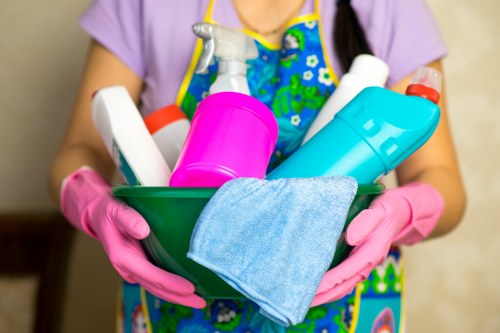
Shared spaces can take a lot of use. In a residential block, residents come and go throughout the day, deliveries arrive, bins are moved, and wet weather brings in dirt from the street. In a commercial building, staff, clients, and visitors create constant foot traffic. Even when everyone does their best to keep things tidy, dust and grime build up quickly in common areas. A regular cleaning plan prevents small issues from becoming bigger ones and helps the property look cared for throughout the week.
In Streatham, the mix of urban streets, main-road traffic, and busy local amenities means entrances and corridors can become dirty faster than many people expect. If your building is near a high-footfall route, communal mats may trap more debris, and exterior access points can bring in mud and rainwater. Shared cleaning services are useful because they keep on top of these recurring problems with routine, rather than waiting until the mess becomes obvious. That is especially important for buildings where first impressions matter, such as apartment blocks with letting activity or premises that host customers and clients.
Another important reason is wellbeing. Clean handrails, tidy floors, well-kept lobbies, and clear staircases all support a more comfortable environment. Residents often notice when a block is neglected, and small details can affect how people feel about where they live. Regular communal cleaning also makes it easier to spot maintenance issues early, such as leaks, damaged flooring, overflowing bins, or signs of pest activity. In that sense, the service is about more than appearance; it helps protect the building itself.
What the service can include

Every property is different, so the exact cleaning plan should be shaped around the building layout, the number of residents or users, and the level of foot traffic. A good communal area cleaning service should cover the tasks that matter most to shared spaces while leaving room for regular adjustments if the building changes over time. Typical tasks may include sweeping, vacuuming, mopping, dusting, and wiping down commonly touched surfaces.
For many Streatham properties, the most useful services focus on the everyday areas people see and use most often. This can mean keeping entrance halls free from litter, maintaining stair treads and landings, cleaning glass doors or internal panels, and making sure handrails are wiped down. In blocks with lifts, the lift cabin and buttons often need special attention because these are high-contact surfaces. In basement areas or bin stores, more targeted cleaning may be needed to deal with spills, odours, and debris.
Depending on what your building needs, a communal cleaning schedule may also include additional tasks such as removing cobwebs from corners, spot-cleaning walls and skirting boards, checking for obvious grime on fire doors, and tidying noticeboard surrounds or mailbox areas. The intention is to keep shared spaces consistent, welcoming, and manageable. This is not just about a quick tidy-up; it is about creating a dependable routine that supports the whole property.
Common areas that are often covered
- Entrances and porches
- Hallways and corridors
- Staircases and landings
- Lift lobbies and lift interiors
- Door handles, handrails, and push plates
- Internal glass and mirrors
- Bin stores and waste collection points
- Communal kitchens, break rooms, or shared facilities where relevant
Why a local Streatham team is useful

There are practical reasons to choose a local service for Communal area Cleaning in Streatham. Streatham has a mix of road layouts, busy junctions, and residential streets where parking can be limited or heavily regulated. A local team is more likely to understand how to plan visits around those conditions without causing unnecessary disruption. That matters for buildings near Streatham Hill, Streatham Common, Streatham Vale, and surrounding neighbourhoods where access can vary from one property to another.
Local knowledge also helps with scheduling. Some buildings need early morning attendance before residents leave for work; others are better serviced later in the day when foot traffic is lower. In mixed residential and commercial settings, timing can be especially important to avoid interrupting business operations or disturbing people who work from home. A responsive local cleaning provider can adapt more easily to those realities than a distant team that does not know the area.
There is also the advantage of familiarity with local property types. Streatham includes older conversions with narrow staircases, modern apartment blocks with secure access systems, and larger estates with multiple entrances. Each format presents different cleaning challenges. A local cleaner understands how to work carefully around limited storage areas, key fob entry points, shared lifts, and building rules. That practical awareness can make the service smoother from the start and reduce the risk of avoidable inconvenience for residents or building managers.
Local benefits at a glance
- More flexible scheduling around building routines
- Better understanding of parking and access constraints
- Suitable for a range of Streatham property styles
- Quicker responses when cleaning needs change
- More practical communication with residents and managers
Who benefits from communal cleaning services?

Shared-area cleaning is useful for many different types of customers. In residential settings, landlords, letting agents, freeholders, residents’ management companies, and tenant groups often arrange the work so that the whole building stays presentable. In commercial properties, office managers, facilities teams, and business owners may need regular cleaning for common entrances, shared corridors, or staff facilities. The key is to create a service that matches how the building is actually used.
For landlords and managing agents, regular communal cleaning can help with maintaining standards and reducing the risk of complaints about neglected spaces. In a block with multiple households, even a small amount of litter or dust can quickly become noticeable. For residents, the benefit is straightforward: cleaner stairs, fresher hallways, and a more pleasant building to live in. For commercial customers, shared cleaning supports a professional image and can make the workplace feel more organised.
Shared properties around Streatham often serve a diverse mix of people. Some are owner-occupied flats where residents want a dependable service that works alongside their own routines. Others are rental blocks with changing occupancy, where the building needs routine care to keep up with turnover. Commercial and residential mixed-use buildings may also need separate attention for different spaces. A good cleaning plan can handle all of this without becoming complicated. Practical service, regular visits, and clear expectations are what make the difference.
Typical customer types
- Residents’ associations
- Landlords and freeholders
- Letting agents and property managers
- Office and building managers
- Commercial landlords
- Mixed-use property operators
How the cleaning process usually works
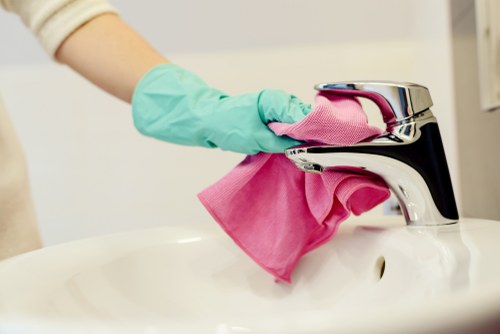
When someone arranges communal cleaning, the first step is usually to understand the property and the spaces that need regular attention. This may involve discussing the number of floors, entrances, access points, and any specific areas that need more frequent cleaning, such as bin stores or lift lobbies. It also helps to know whether the building has a concierge arrangement, key access system, or resident notice procedures that need to be respected.
After that, a schedule can be created to suit the property. Some buildings benefit from weekly cleaning, while others need visits several times a week due to heavier use. The right frequency depends on the size of the block, the number of occupants, and how quickly the shared areas become dirty. If your building experiences seasonal dirt from wet weather, extra leaf debris near entrances, or heavier use during move-in periods, the schedule can be adjusted accordingly.
During each visit, the cleaner follows the agreed tasks and pays attention to the common issues that tend to build up. This may include vacuuming carpets, mopping hard floors, wiping surfaces, cleaning entry doors, and keeping waste areas orderly. A good service should also look for signs of issues that should be reported to the relevant person, such as broken lighting, spills that need maintenance attention, or damage that could affect safe access. The result is a cleaner, more manageable communal environment that is cared for consistently rather than occasionally.
What a typical visit may include
- Dusting reachable surfaces and ledges
- Vacuuming or sweeping floors
- Mopping hard floor areas
- Cleaning internal glass and doors
- Wiping handrails and contact points
- Emptying small communal bins where agreed
- Spot cleaning marks and light spills
- Checking that the space is left tidy and safe
Preparing your property for communal cleaning
One of the best ways to get strong results from a cleaning service is to make sure the building is ready for regular access. That does not mean residents or staff need to do a lot of work, but a few simple steps can help the visit run smoothly and allow the cleaner to focus on the actual cleaning tasks. If you manage a building in Streatham, a short preparation checklist can save time and avoid confusion.
Before the first visit, it is useful to identify which areas are included and which are excluded. For example, you may want communal hallways and stairs cleaned, but not private door fronts or individual flat interiors. You may also want to confirm where cleaning materials can be stored, how access will be provided, and whether there are any building rules around noise, visitors, or entry times. Clear arrangements at the start create a better long-term routine.
Residents can also help by keeping personal items out of shared spaces where possible. Shoes, prams, boxes, and bicycles left in hallways can make cleaning harder and can create safety hazards. While a cleaner can tidy around some items, communal areas work best when they are kept as clear as practical. A well-prepared building is easier to clean, easier to maintain, and more pleasant for everyone who uses it.
Simple preparation checklist
- Confirm which communal areas are included
- Arrange access details and entry instructions
- Identify storage space for supplies if needed
- Let residents know about the cleaning schedule
- Keep hallways and landings as clear as possible
- Report any problem areas that need special attention
Pricing factors and what affects the quote
Every property is different, so it is normal for the cost of communal cleaning to depend on several practical factors rather than a single fixed figure. The size of the building is important, but so is the condition of the shared areas, the number of floors, how often cleaning is needed, and whether there are special spaces such as bin rooms or lifts. A small block with light use will naturally have different requirements from a larger estate or a busy mixed-use development.
Access can also influence the quote. If a property needs specific key handling, restricted-time visits, or coordination with a managing agent, that may affect the planning involved. Buildings with narrow staircases, limited parking, or more complex entry systems can take additional time to service properly. In Streatham, where properties vary widely from street to street, a site visit or detailed discussion is often the best way to shape a fair and realistic proposal.
Other considerations may include how frequently the work is carried out, whether one-off deep cleaning is needed before a regular schedule starts, and whether additional tasks are requested. For example, some customers only need standard weekly cleaning, while others want seasonal support after refurbishment, tenant turnover, or building works. If you are comparing options, focus on what is included in the service and how well it matches the actual needs of the building. The right quote should reflect the size, use, and condition of the communal space, not just a broad estimate.
Residential and commercial communal spaces in Streatham
Streatham has a variety of buildings, and the cleaning needs can differ significantly between them. Residential properties often need a steady, low-disruption routine that keeps stairs, landings, and entrance halls tidy throughout the week. In these buildings, residents usually value clean surfaces, clear floors, and an overall sense of order. Commercial communal spaces, by contrast, may need to support a more formal appearance and heavier daytime use, especially when staff and visitors pass through frequently.
Mixed-use properties can be especially demanding because they combine different expectations within one building. An office lobby may need to look polished for clients, while the residential sections require a more private and consistent approach. Shared access points, bin storage areas, and corridors leading to separate units may all need different levels of attention. This is where a tailored cleaning plan is especially helpful, because it avoids a one-size-fits-all approach that might miss important details.
Whether your property is near Streatham Common, closer to the High Road, or set within a quieter residential street, shared space cleaning should reflect how the building is used. A good service keeps the building presentable without being intrusive. It should be careful around residents’ routines, respectful of commercial access times, and reliable enough to fit into day-to-day property management without becoming a concern.
Areas covered around Streatham
Local communal cleaning is often needed across a wide area because Streatham includes many different neighbourhoods, property styles, and building types. Services can be arranged for properties close to the main transport and shopping routes as well as quieter surrounding streets. If your building is in or around Streatham, it may be useful to arrange cleaning that also supports nearby districts where shared properties and busy access points are common.
Typical nearby areas and local zones that may be covered include Streatham Hill, Streatham Common, Streatham Vale, Streatham Park, and neighbouring parts of south London where blocks of flats and mixed-use premises are common. Properties near busy roads may need more frequent entrance cleaning, while quieter streets may need a lighter but still regular routine. The point is to work with the building’s actual conditions rather than treating every location the same.
If you manage more than one building, using a local team can make scheduling easier across the area. That can be helpful for landlords and agencies who oversee several properties in different parts of Streatham and nearby neighbourhoods. A local service is better placed to maintain continuity, coordinate access, and keep visits practical. For customers looking for reliable communal area cleaning Streatham can depend on, local coverage is a real advantage.
Why customers choose this service
People usually look for communal cleaning because they want a building that feels looked after without creating extra work for residents or managers. A dependable service removes that burden. Instead of asking neighbours to share cleaning tasks or leaving common areas to deteriorate, you can put a routine in place that keeps things under control. That makes life easier for everyone involved, especially in buildings where people have different schedules and expectations.
Another reason is consistency. It is often not enough to clean a communal space once and hope it stays that way. Shared areas need regular attention because they are used so often. A structured cleaning schedule helps maintain standards throughout the year, including during wetter months when mud and moisture are more likely to be brought indoors. It also gives property managers a practical way to stay on top of standards without being present every day.
Finally, many customers appreciate the peace of mind that comes from knowing the job is being handled carefully. Cleaners working in communal settings need to respect privacy, avoid disruption, and work around residents and businesses with discretion. That combination of reliability, care, and local understanding is what makes professional communal cleaning worth arranging. If you want a cleaner, more manageable shared space, contact us today to request a free quote.
Frequently asked questions
How often should communal areas be cleaned?
It depends on the size of the building, the number of people using it, and how quickly dirt builds up. Some properties need weekly visits, while busier buildings may need more frequent cleaning. A local assessment or discussion can help decide the right schedule.
Can you clean only certain parts of the communal space?
Yes. Many customers prefer a tailored service that focuses on key areas such as stairwells, hallways, entrances, or bin stores. The cleaning plan can be adjusted so you only pay for the areas you actually need covered.
Do you work with residential and commercial buildings?
Yes. Communal space cleaning can be arranged for residential blocks, mixed-use properties, offices, and other shared premises. The service is designed to suit how the building is used rather than forcing a standard approach.
What if access is difficult?
Access challenges are common in Streatham, especially where parking is limited or entry systems are in place. A local team can usually plan around these issues once the building’s access arrangements are explained clearly.
Can the service support move-in or move-out periods?
Yes. If a building has higher traffic during tenancy changes or refurbishment work, the schedule can often be adjusted to deal with the extra dirt and debris that come with those periods.
How do I get started?
Simply contact us today, describe the building and the areas you want cleaned, and request a free quote. From there, a suitable plan can be put together to match the property’s needs.
Book your communal cleaning service
If your building needs reliable, regular attention, now is a good time to arrange support. Whether you manage a small residential block, a larger estate, or a shared commercial property, Communal area Cleaning in Streatham can help keep the space cleaner, safer, and easier to maintain. The service is practical, flexible, and designed around the realities of local properties.
From entrance halls and staircases to lift areas and bin stores, the right cleaning routine can make a visible difference. It can help residents feel more comfortable, support a professional impression for businesses, and reduce the stress of dealing with mess after it has built up. If you need a dependable local team that understands Streatham’s property layouts and access challenges, book your service now or request a free quote today.
Clean shared spaces create a better everyday experience for everyone who uses the building. Contact us today to discuss your requirements and put a practical cleaning plan in place.