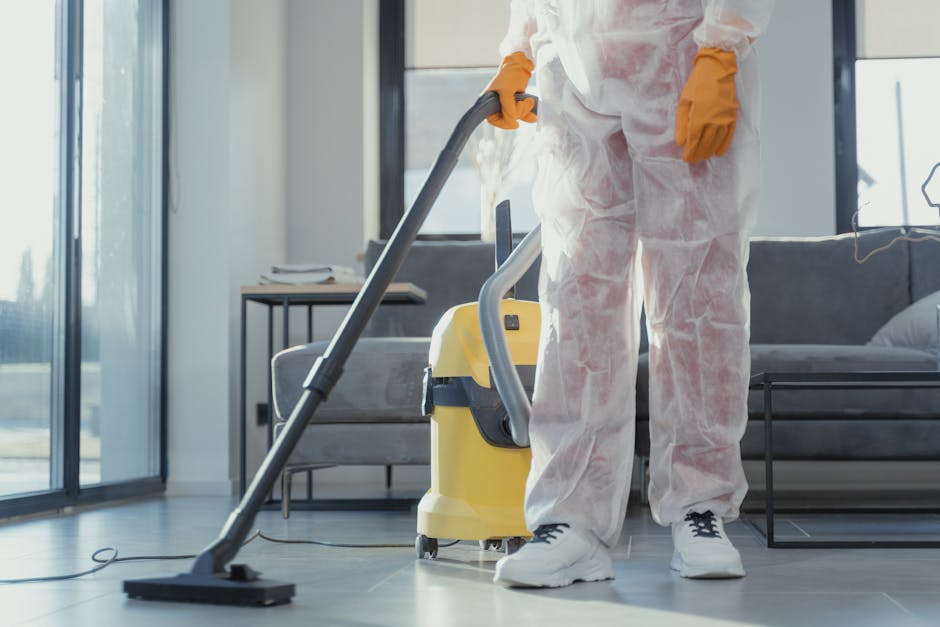
SW16 Flat Deep Cleaning Access Tips for Streatham Landlords
If you let out a flat in SW16, deep cleaning sounds simple on paper: book the clean, hand over the keys, and let the team get on with it. In real life, access is often the bit that causes stress. Buzzers go unanswered. Locked cupboards hide cleaning products. A tenant's shift runs late. The caretaker has gone home. And suddenly a tidy plan becomes a slightly awkward chain of phone calls.
That is why SW16 flat deep cleaning access tips for Streatham landlords matter more than many people expect. Good access planning saves time, protects the property, reduces missed spots, and makes it easier to keep tenants, agents, and cleaners on the same page. In this guide, you will get practical landlord-focused advice for preparing a Streatham flat for a proper deep clean, from entry arrangements and key handover to building rules, safety checks, and the little details that usually get forgotten.
To keep things useful, this article also links out to a few relevant service pages such as deep cleaning, end of tenancy cleaning, and communal area cleaning where they genuinely help the reader's next step.
Quick takeaway: the clean itself is only half the job. For landlords, the real win is smooth access, clear instructions, and a flat that can be cleaned properly without avoidable delays.
Table of Contents
- Why SW16 Flat Deep Cleaning Access Tips for Streatham Landlords Matters
- How SW16 Flat Deep Cleaning Access Tips for Streatham Landlords Works
- Key Benefits and Practical Advantages
- Who This Is For and When It Makes Sense
- Step-by-Step Guidance
- Expert Tips for Better Results
- Common Mistakes to Avoid
- Tools, Resources and Recommendations
- Law, Compliance, Standards, or Best Practice
- Options, Methods, or Comparison Table
- Case Study or Real-World Example
- Practical Checklist
- Conclusion
- Frequently Asked Questions
Why SW16 Flat Deep Cleaning Access Tips for Streatham Landlords Matters
Access issues are one of those unglamorous landlord problems that can quietly derail everything. A deep clean is usually booked for a reason: a tenant has moved out, a new one is due in, an inspection has flagged wear and tear, or the flat simply needs a reset. If the cleaner cannot get in, or cannot move around properly, you lose momentum. That can mean rescheduling, extra call-out time, and a less thorough result.
In Streatham, many flats sit in converted houses, small purpose-built blocks, or managed estates with shared entrances. That means access often involves more than a front door. There may be an entry phone, a bin-store gate, a concierge, parking limitations, or stair-only access. A cleaner arriving with equipment is not going to thank you for vague instructions like "someone should be there." Truth be told, nobody loves that setup.
For landlords, access planning is also about trust. Tenants want privacy. Contractors want to work safely. Agents want the job done on time. If you prepare the access process properly, you reduce friction for everyone. And in a busy area like SW16, where handovers often happen between work shifts and moving vans, that really counts.
This is especially relevant when you are combining a deep clean with steam carpet cleaning, oven cleaning, or window cleaning, because the team may need more time, more water access, or more careful room-by-room sequencing.
How SW16 Flat Deep Cleaning Access Tips for Streatham Landlords Works
At its simplest, a well-run access process does three things: it lets the cleaner in, it lets them work without interruption, and it lets them leave securely when they are done. That sounds obvious, but the practical steps matter.
A landlord or managing agent usually sets the access method in advance. This might be:
- meeting the cleaner on site and handing over keys
- using a lockbox or coded key safe, where permitted
- arranging access through a concierge or caretaker
- coordinating with the outgoing tenant for a final handover
- using an agent's office key release system
Once the access method is decided, the cleaning brief should match it. For example, if the cleaner will enter before the property is empty, you may need to tell them which rooms are clear, which cupboards should stay closed, and whether there are pets, alarm codes, or fragile items left behind. If the property is already vacant, the focus shifts to security and practicality: keys, building entry, parking, waste removal, and water/electricity checks.
The best results usually come from a short written handover. Not a novel. Just the essentials. One page can be enough if it includes entry instructions, emergency contacts, special hazards, and what level of clean is expected. If you want a broader property refresh, a service such as one-off cleaning can be a useful fit, especially for vacant flats that need a full reset rather than routine upkeep.
Key Benefits and Practical Advantages
When access is organised properly, the benefits show up almost immediately. And not in a dramatic way, just in the quiet satisfaction of a clean job finishing on time with no awkward surprises.
- Fewer delays: cleaners can begin promptly instead of waiting outside a building or chasing a key.
- Better cleaning coverage: if furniture can be moved, cupboards opened, and rooms accessed in order, the clean is more thorough.
- Less risk of damage: clear instructions help avoid accidental knocks, missed alarms, or blocked exits.
- Improved tenant experience: a well-prepared flat feels cared for, which matters whether you are re-letting or renewing.
- Stronger inventory outcomes: if you are working around an end-of-tenancy handover, a proper clean supports a clearer final condition check.
- Reduced admin: one organised access plan is easier than half a dozen back-and-forth messages.
There is also a reputational benefit. Landlords who are known for tidy, efficient handovers tend to have fewer headaches with agents, cleaners, and tenants. Nothing flashy. Just fewer wasted hours and fewer cross words in the hallway at 8.15 in the morning.
Who This Is For and When It Makes Sense
This advice is for landlords, buy-to-let owners, letting agents, and block managers dealing with flats in SW16, especially in Streatham, Streatham Hill, or nearby streets where access can be a bit more layered than a simple house entrance. If the property is in a block with shared doors or a concierge desk, the planning matters even more.
It makes sense when:
- a tenant has just moved out and a full refresh is needed
- you are preparing the flat for new occupants after void periods
- a mid-tenancy deep clean is overdue
- the property has had works and dust has settled everywhere
- there has been a spill, odour issue, or pet-related problem
- you want to combine the clean with carpet, upholstery, or hard floor work
In some cases, a landlord only needs targeted work. In others, the flat is due a complete overhaul, perhaps alongside move out cleaning or move in cleaning. The access approach changes depending on whether the property is occupied, empty, or in that awkward in-between stage where boxes are still in the hallway and nobody is entirely sure whose kettle is whose.
Step-by-Step Guidance
1. Confirm the exact access route
Start with the basics. Which door will the cleaner use? Is there a key safe? Is there a building code? Does someone need to meet them? Do not assume the answer is obvious, even if you have handled the building before. Small changes happen all the time.
2. Test the key or code before the visit
This one saves embarrassment. If you are using a key, check it actually works in the lock. If you are using a code, confirm it is current. A cleaner standing in the rain outside a SW16 block while someone digs through emails is not ideal. Not at all.
3. Share building-specific instructions
Include details like which entrance to use, where to park, how to avoid restricted bays, and whether the lift is serviceable. If the flat is on an upper floor and the building has narrow stairs, say so. It helps cleaners arrive prepared and reduces the chance of unnecessary delays.
4. Remove obstacles before cleaning day
Where possible, clear personal items, paperwork, valuables, and fragile possessions. The cleaner should not have to build a safe route through random bags and loose cables. The cleaner can work faster and the result is better. Simple really.
5. Flag hazards and special conditions
Tell the cleaning team about broken fixtures, loose tiles, damp patches, alarms, pets, or any strong odours they should expect. If the flat needs pet stain and odour removal, that should be mentioned up front because it affects timing, products, and ventilation.
6. Confirm utilities and water access
Deep cleaning often needs running water and electricity. Before the appointment, check that supplies are on and usable. If you have had a utility switch-off between tenancies, say so early. It is a small thing, but it can make or break the appointment.
7. Agree departure and lock-up instructions
Do you want the cleaner to lock up, return keys to an agent, or leave them in a secure place? Be specific. The same applies to alarms. If the cleaner needs to arm or disarm a system, write the steps clearly and keep them simple.
8. Build in a final inspection window
Try to leave a short buffer after the clean for a quick check. That gives you time to notice anything missed, photograph the property, or deal with a minor touch-up before keys are handed over. In practice, this buffer is often the difference between calm and chaos.
Expert Tips for Better Results
After enough landlord cleans, a few patterns become very clear. The best access plans are not complicated. They are just prepared.
- Keep one named contact in charge. Too many voices create confusion. One person should own the access decision.
- Send room notes, not essays. A short list of priorities helps the team focus on what matters most.
- Leave a clear path to sinks and plug sockets. Cleaners cannot work efficiently if they have to move a mountain of boxes first.
- Use a proper handover sheet for vacant flats. It sounds a bit old-school, but it works.
- Book related services together where sensible. For example, a flat needing deep cleaning, upholstery cleaning, and carpet cleaning is often easier to manage as one coordinated visit.
- Think about the building, not just the flat. If hallway dust, stairwell marks, or entry mats are a problem, the clean may not feel complete without attention to shared areas.
One practical habit that pays off: take photos before the cleaner arrives. Not for drama, just for clarity. A quick set of images of the kitchen, bathrooms, floors, and any pre-existing damage gives everyone a shared reference point.
Also, a small but useful note: if the property has been empty for a while, let the cleaner know whether windows have been left closed, whether there is stale air, and whether mould spotting has started to appear. That little detail can change the order of work.
Common Mistakes to Avoid
The biggest access mistakes are usually boring ones. Which is annoying, because they are also the easiest to avoid.
- Leaving access until the morning of the clean. This creates pressure and often leads to avoidable rescheduling.
- Assuming the cleaner knows the building layout. Even if they have worked nearby, every block is slightly different.
- Forgetting parking or loading restrictions. In SW16, that can mean wasted time circling the street.
- Not checking cupboard contents. Some landlords forget that cleaning supplies, cleaning chemicals, or personal items may still be inside.
- Skipping a utility check. No water, no proper deep clean. It really is that plain.
- Giving vague lock-up instructions. "Just leave it safe" is not enough.
- Booking too tightly around move-in day. If the previous handover runs late, the whole day can slip.
There is also a soft mistake landlords make: treating access as separate from the cleaning brief. In reality, they belong together. A cleaner who knows the access route, the property layout, and the priority areas will usually do better work. That is just common sense, even if common sense sometimes seems to have taken the afternoon off.
Tools, Resources and Recommendations
You do not need a fancy system to manage access well. A few straightforward tools are enough.
- Key log sheet: note who holds the key, when it was handed over, and when it came back.
- Building access note: include door codes, concierge details, and parking instructions.
- Property checklist: list rooms, special surfaces, and any add-on services.
- Photo record: helpful before and after the clean.
- Simple message template: one standard message saves time for repeat lets.
If you are planning a broader reset of the property, you may also want to look at hard floor cleaning, oven cleaning, and mattress cleaning. Those services often crop up during landlord turnovers because kitchens, sleep spaces, and living areas show wear in different ways. One room can look clean while another tells a very different story.
For landlords who prefer a recurring arrangement rather than occasional one-offs, regular cleaning can reduce the amount of work needed at each deep-clean stage. It is not always the answer, but for some properties it makes a lot of sense.
Law, Compliance, Standards, or Best Practice
Landlords should approach access with ordinary UK property best practice in mind: respect tenant privacy, avoid unnecessary entry, and make sure any contractor can work safely. Where a tenancy agreement or building management policy sets access rules, follow them carefully. If the flat is occupied, a tenant usually needs proper notice and a clear reason for entry, unless there is an emergency. The exact legal position can vary, so if you are unsure, check your tenancy documents or seek appropriate advice.
From a practical safety point of view, it is sensible to work with cleaners who follow a documented health and safety approach, carry suitable insurance, and understand how to work around hazards in residential buildings. If that matters to you, it is worth reviewing pages such as health and safety policy and insurance and safety before booking any contractor.
Landlords also have an interest in leaving the property in a fit state for the next occupants. In practice, that means making sure access arrangements do not interfere with the quality of the clean or create avoidable risk. Cleaners should be able to move safely, use equipment properly, and exit without confusion. Nothing dramatic. Just professional, tidy, and sensible.
Options, Methods, or Comparison Table
Different access methods suit different Streatham flats. Here is a simple comparison to help you decide.
| Access method | Best for | Pros | Watch-outs |
|---|---|---|---|
| In-person key handover | Vacant flats, first-time bookings | Clear, direct, easy to explain | Needs someone available on site |
| Key safe or lockbox | Repeat cleans, managed lets | Flexible, fast, less waiting around | Code sharing must be controlled carefully |
| Concierge or caretaker release | Blocks with staffed reception | Convenient for landlords and cleaners | Dependent on building hours and staff presence |
| Agent-managed key release | Portfolio landlords, block lets | Centralised and trackable | Can slow down if office timings are tight |
| Tenant-led access | Occupied flats, mid-tenancy work | Useful when landlord is not local | Can be unpredictable unless carefully scheduled |
For most landlord deep cleans, the best option is the one with the fewest moving parts. If you can reduce handoffs, do it. Fewer people, fewer mistakes.
Case Study or Real-World Example
A Streatham landlord with a two-bedroom flat in SW16 needed a full deep clean between tenancies. The previous tenant had left on a Friday afternoon, and the new one was due in on Monday morning. On paper, the schedule looked fine. In reality, access was a bit messy: the flat was in a converted building, the entry phone was temperamental, and the cleaner would need to get in before the agent arrived.
Instead of leaving everything to chance, the landlord set up a short access plan. The keys were dropped with the agent the day before. The cleaner received written instructions with the flat number, bin-store code, parking notes, and a reminder that electricity and water would be on but the hallway light was a bit unreliable. The kitchen was flagged for heavy use, and the bedrooms needed careful carpet treatment.
The result? The cleaner started on time, worked room by room, and finished without chasing anyone for entry or exit instructions. The flat was also booked for end of tenancy cleaning support alongside a carpet refresh, which meant the handover looked properly finished rather than rushed. Nothing miraculous happened. That was the point. The job just went smoothly, and smooth is underrated.
What stood out most was how much time the landlord saved by dealing with access before the appointment rather than during it. A simple thing, but a powerful one.
Practical Checklist
Use this checklist before a deep clean in your SW16 flat.
- Confirm the exact date and arrival window
- Decide who is responsible for access
- Test keys, codes, or lockboxes in advance
- Share the building entry instructions
- Provide parking or loading information
- Check that water and electricity are on
- Remove valuables and personal items
- Flag hazards, pets, alarms, or fragile fittings
- Tell the cleaner which rooms or surfaces are priorities
- Confirm lock-up and key return instructions
- Leave time for a post-clean inspection
- Keep photos for your records
If the property needs a broader reset, it can also be sensible to combine deep cleaning with curtain cleaning, sofa cleaning, or stain removal. That is often the difference between "cleaned" and "properly refreshed."
Get a free quote today and see how much you can save.
Conclusion
For Streatham landlords, a great deep clean is never just about products and elbow grease. It is also about access. The best SW16 flat deep cleaning access tips are the ones that keep the job simple: clear entry, clear instructions, secure key handling, and enough room for the cleaners to do thorough work without interruptions.
If you get the access right, everything else tends to fall into place more easily. The property looks better, handovers feel calmer, and you avoid the annoying little delays that cost time and patience. And honestly, that peace of mind is worth a lot.
Keep it organised, keep it human, and keep it practical. That is usually how the best landlord outcomes happen.
Frequently Asked Questions
What are the most important SW16 flat deep cleaning access tips for Streatham landlords?
The biggest priorities are secure key handover, correct entry instructions, working utilities, and a clear contact person. If the cleaner can enter on time and work without confusion, the whole job becomes easier and more effective.
Should landlords meet the cleaner in person?
Not always, but it can help for first-time visits, tight turnarounds, or buildings with awkward entry. If you cannot meet in person, a key safe, agent handover, or concierge arrangement can work well if it is set up properly.
What if the flat is still occupied?
Occupied flats need extra care. You should respect privacy, give proper notice where required, and make sure tenants know which rooms will be cleaned and when. It is usually better to keep instructions short and clear.
Do cleaners need access to electricity and water?
Yes, for most deep cleaning work they do. If either supply is off, let the cleaner know before the appointment. Otherwise the job may need to be adjusted or rescheduled.
How much information should I give a cleaner before the visit?
Enough to let them work safely and efficiently, but not pages of detail. Entry route, property type, key handling, hazards, priorities, parking, and lock-up instructions are usually the essentials.
Is a key safe better than handing over keys directly?
It depends on the building and how often the property is cleaned. A key safe can be convenient for repeat access, while direct handover may be better for one-off jobs or higher-risk situations. The right choice is the one that feels secure and practical.
Can deep cleaning be combined with carpet or upholstery work?
Yes, and that is often sensible. Many landlords combine deep cleaning with steam carpet cleaning, upholstery cleaning, or move out cleaning to save time during a tenancy change.
What should I do if the cleaner cannot get in?
Call the main contact immediately, check the key or code, and confirm whether the building entry has changed. If there is still no access, rescheduling is usually better than forcing a rushed solution. Frustrating, yes, but safer.
How do I avoid damage during access and cleaning?
Give honest information about loose fittings, fragile surfaces, alarms, and anything unusual in the flat. Remove valuables where possible and make sure the cleaner knows where to put items back if they are moved.
What is the best access setup for a busy landlord with several flats?
A central key log, one named contact, and standardised handover notes usually work best. If you manage multiple properties, consistency saves a surprising amount of time.
Do I need a special clean after builders or repairs?
If dust, plaster, or paint residue is still present, a standard clean may not be enough. In that case, after builders cleaning can be the more appropriate option because it is designed for heavier post-work mess.
How can I tell if my flat needs a one-off deep clean or regular cleaning?
If the flat is being prepared for a let, has visible build-up, or needs a reset after a gap in occupancy, a one-off deep clean is often the better fit. If it is already maintained and just needs ongoing upkeep, regular cleaning may suit better.
Where can I check pricing or ask about arranging the work?
For practical next steps, you can review pricing and quotes and then use the contact page to discuss the property, access, and cleaning needs in one go.